Acceptance as Inner Alchemy
Acceptance is often misunderstood as “putting up with things” or suppressing emotion. In both Hindu spiritual philosophy and Schema Therapy, acceptance is something far more powerful—it is the ability to consciously relate to experience without being controlled by it.
Life brings both pleasant and painful experiences. The mind naturally clings to one and resists the other. This resistance is what creates suffering. Acceptance begins when we pause, observe, and allow experience to unfold—while staying anchored in awareness.
Understanding Your Inner Modes
Schema Therapy helps us recognise different parts of ourselves (“modes”) that activate in daily life:
Vulnerable Child – feels hurt, unseen, or anxious
Angry/Impulsive Child – reacts quickly, seeks control
Punitive Parent – self-critical, harsh
Detached Protector – shuts down or avoids
Healthy Adult – grounded, aware, balanced
From a spiritual lens, these are conditioned patterns—not your true Self. Acceptance starts by noticing: “A part of me is activated” rather than “This is who I am.” This shift builds self-awareness and reduces reactivity.
For many people, especially when the Vulnerable Child is active, there is a deep need to be seen, heard, and validated. This is a legitimate human need—not something to dismiss.
However, acceptance can feel like it interferes with this need in two ways:
It may feel like self-silencing – “If I accept this, does it mean my pain doesn’t matter?”
It can reduce emotional intensity – which some parts equate with “losing my voice”
This is where clarity is essential:
Acceptance is not denying your need to be heard—it is changing how you respond to it.
Without awareness:
The Angry Child may demand validation impulsively
The Vulnerable Child may feel ignored or escalate distress
The Detached Protector may give up on being heard altogether
With acceptance:
You acknowledge: “A part of me really needs to be seen right now”
You validate that need internally first
Then you choose a clear, grounded way to express it
This actually strengthens your voice. You are no longer reacting from intensity—you are communicating from clarity.
Daily Practice
Keep it simple:
Notice: “Which part of me is active?”
Name it without judgment
Allow the emotion to be present
Respond from your Healthy Adult
Over time, this builds emotional regulation, resilience, and self-trust.
Transforming the Inner Critic and Overthinking Through Spiritual\Mindfulness Awareness
In schema therapy, your inner critic is often a manifestation of early maladaptive schemas : deeply ingrained patterns formed in childhood in response to unmet needs. Common schemas that fuel overthinking and self-criticism include:
Defectiveness/Shame – the feeling that “I am fundamentally flawed.”
Unrelenting Standards – the pressure to always be perfect.
Vulnerability to Harm – a constant sense of danger or impending failure.
These schemas give rise to coping modes, particularly the Punitive Parent mode, which harshly judges you, and the Overcontroller, which overthinks every decision to prevent mistakes.
From a spiritual perspective, these patterns are not “you.” They are mental constructs, shadows, or lower-frequency energies that can be observed, understood, and transmuted into higher consciousness.
Experiential Exercises to Transform Overthinking and the Inner Critic
1. Dialogue With Your Inner Critic
Set aside 10 minutes in a quiet space.
Visualize your inner critic as a separate entity. Give it a name, image, or shape.
Engage in a compassionate conversation: “I hear you, but I am not you. I am here to love and guide myself.”
Optional: Write it down. Writing externalizes the critic and weakens its grip.
Spiritual\Mindfulness Twist: End the exercise with a short meditation, seeing the critic dissolve in white or golden light.
2. Schema Mode Check-In
Identify the mode you are in when overthinking: Punitive Parent, Detached Protector, Overcontroller, or Vulnerable Child.
Ask: “Which part of me is speaking right now, and what does it need?”
Respond with self-soothing, compassion, or playful curiosity.
Spiritual\Mindfulness Practice: Send love to this part of yourself. Imagine your heart radiating energy to heal the schema’s root wounds.
3. Meditative Thought Observing
Sit quietly and focus on your breath.
Notice thoughts without judgment. Label them gently: “This is overthinking,” “This is self-criticism.”
Visualize each thought as a leaf floating down a river : observe them pass without attaching.
Benefit: This practice helps rewire the brain’s reactivity to schemas and builds spiritual detachment from egoic narratives.
4. Affirmation-Based Schema Rewriting
Identify the schema fueling your inner critic. Example: “I am defective.”
Create a heart-centered affirmation: “I am whole, enough, and worthy of love.”
Repeat 5 to10 times daily, ideally after a meditative breathing exercise.
Spiritual\Mindfulness Insight: Feel the energy of the words in your body, allowing them to replace the old energy of the schema.
5. Embodied Awareness
Overthinking is often trapped in the body.
Try mindful movement: yoga, walking meditation, or gentle dance.
As you move, notice sensations, especially where tension accumulates during self-criticism.
Breathe into those areas and release.
Spiritual\Mindfulness Note: The body holds wisdom; moving with presence releases stagnant energy that fuels overthinking.
When Your Inner Critic Won’t Stop: Understanding Overthinking from a Schema Therapy Perspective
It all begins with an idea.
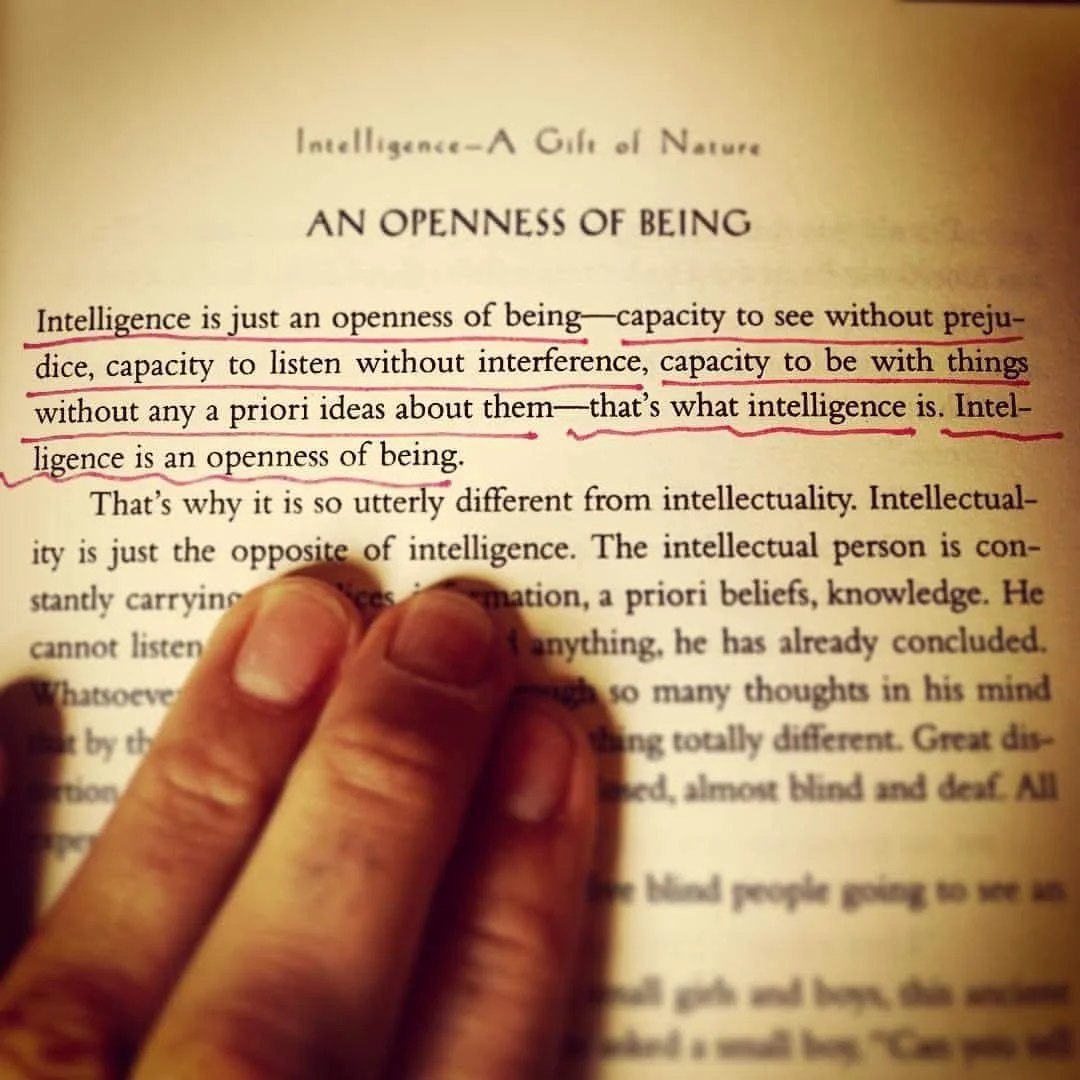
The Intellectualizer and the Inner Critic
Do you pride yourself on thinking things through, analyzing every situation, or following your own logical framework, but still find yourself stuck in repetitive patterns in relationships? People develop a pattern of intellectualizing—focusing on logic, reasoning, and theory, to manage emotions that feel unsafe or overwhelming. In Schema Therapy, this is often linked to modes like the Detached Protector, which shields you from vulnerability, and the Punitive Parent, which fuels a relentless inner critic.
Your inner critic may show up as:
Constant self-judgment for not “doing enough”
Over-analyzing every interaction to avoid mistakes
Seeking validation from others or trying to prove yourself intellectually or socially
Feeling guilt, shame, or inadequacy despite your achievements
Even when your reasoning is sound, these modes can maintain anxiety and relational tension because the underlying schemas: like Defectiveness/Shame, Emotional Deprivation, or Unrelenting Standards, remain unaddressed.
Why Overthinking Happens
Overthinking is closely tied to schemas like Defectiveness/Shame or Vulnerability to Harm. These schemas create a sense that:
You’re not good enough
Mistakes will have severe consequences
The world is unsafe or unpredictable
Your mind becomes hyper-alert, constantly scanning for threats, errors, or possible negative outcomes. Overthinking may feel like a flaw, but it is actually your protective system trying to prevent pain or failure.
Working With the Inner Critic in Schema Therapy:
Identify the mode: Notice when the inner critic is active and what triggers it.
Understand its origin: Explore the past experiences and messages that shaped this critical voice.
Develop your Healthy Adult: Strengthen the part of you that can respond with care, boundaries, and perspective.
Practice self-compassion and curiosity: Rather than fighting or silencing the critic, learn to understand its intentions while choosing healthier responses.
Over time, therapy can help the inner critic shift from overpowering and controlling to informative and supportive, reducing overthinking and increasing self-trust.